Complete Guide to comparing Canadian tea retailers
Uncover the Realm of Fair Trade Tea: Excellent Brews That Encourage Sustainable Practices
Fair Trade tea showcases a perfect equilibrium of quality and integrity. Each cup furnishes a distinct taste composition while backing sustainable farming practices. This process not only elevates the tea pleasure but also assists marginalized farmers. Understanding its sources and certification processes reveals richer dimensions of meaning. As consumers become more intentional about their choices, the reach of Fair Trade tea extends past flavor. What sits beneath the surface of these choices?
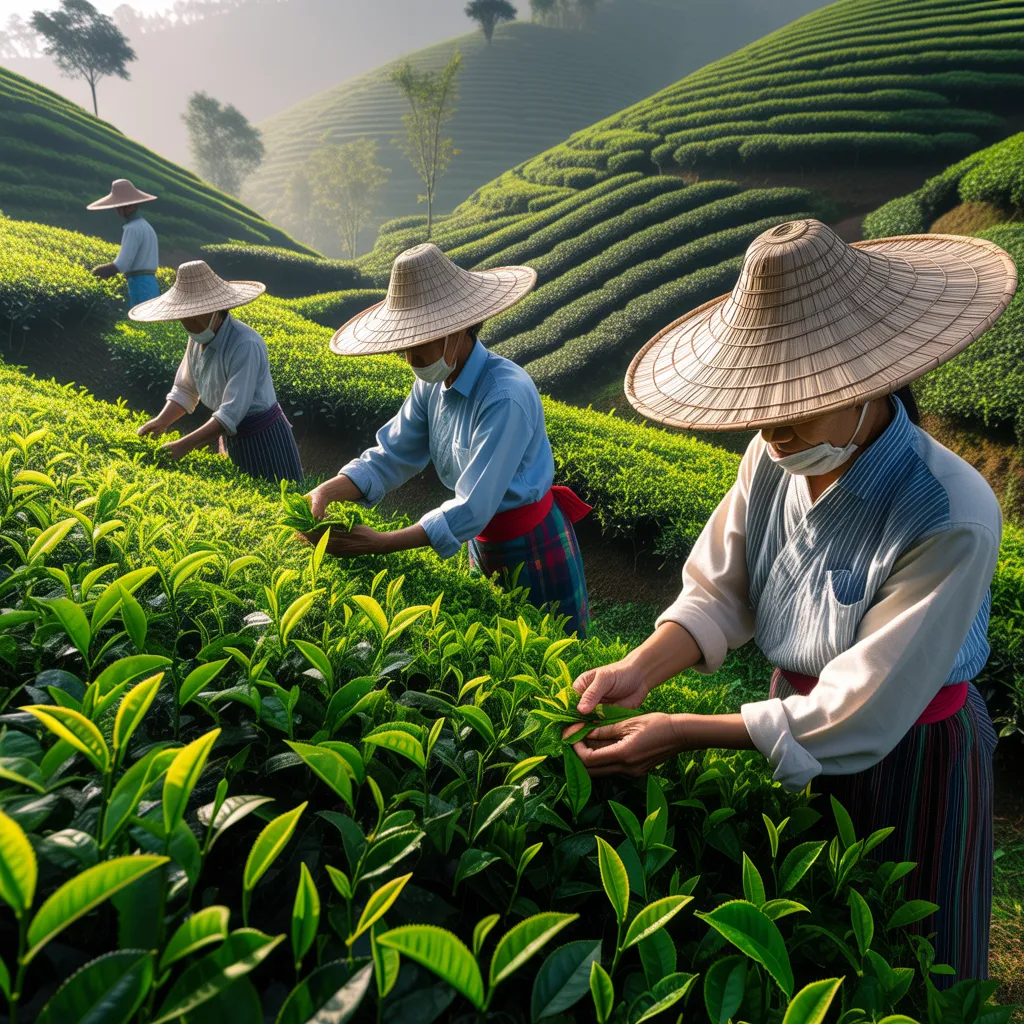
Discover the Origins of Fair Trade Tea
Fair Trade tea originates from the socioeconomic movements intended to improve the circumstances of excluded farmers. Commencing in the latter part of the 1900s, this undertaking worked to resolve inequities in worldwide commerce, notably in less developed nations where tea is commonly cultivated. The movement gained popularity as buyers became ever more mindful of the difficult circumstances consult article endured by small-scale farmers, including unfair pricing and mistreatment by major enterprises.
Through collaborative partnerships, Fair Trade aimed to empower these farmers, guaranteeing they received fair compensation and support for eco-friendly agricultural methods. The movement also concentrated on promoting ecological stewardship, encouraging organic farming and biodiversity. As knowledge grew, Fair Trade tea turned into a symbol of responsible purchasing, connecting consumers directly with the origins of their beverages. By choosing Fair Trade tea, individuals add to a larger vision of social justice and economic equity, fostering a more sustainable future for tea-growing communities.
Grasp the fundamentals of Fair Trade Certification for environmentally conscious practices
Grasping Fair Trade certification is fundamental to recognizing how sustainable practices are sustained within the tea industry. This certification pledges that producers receive fair wages and work under safe conditions, which directly aids community development. Fair Trade standards support environmentally sustainable farming methods, reducing the use of harmful chemicals and encouraging biodiversity.
Certification further promotes clarity in the supply chain, enabling customers to track their tea back to its source. By following these standards, farms engage in methods that protect environmental assets and support local ecosystems. Additionally, Fair Trade organizations often offer learning materials and instruction to agricultural producers, enabling them to improve their farming techniques and financial security.
In the final analysis, Fair Trade certification elevates the standard of tea while aligning consumer preferences with ethical and sustainable beliefs, establishing it as an essential feature of the tea industry's devotion to societal responsibility and ecological stewardship.
Investigate Top Range of Fair Trade Tea
While many tea connoisseurs value the rich flavors and aromas of various brews, uncovering the top varieties of Fair Trade tea reveals a more substantial pledge to ethical sourcing and sustainability. Some popular options feature Fair Trade Assam, celebrated for its bold, malty taste, and Fair Trade Darjeeling, often referred to as the "Champagne of teas" for its gentle aromatic qualities. Another standout variety is Fair Trade Earl Grey, infused with bergamot, offering a unique citrus twist.
Additionally, Fair Trade Green Tea, praised for its stimulating qualities and health benefits, is increasingly favored among health-conscious consumers. Herbal blends, such as Fair Trade Chamomile and Peppermint, also excel, offering soothing and calming effects. Each of these varieties not only delivers exceptional flavor but also supports farmers and communities working for better livelihoods, making them a responsible choice for tea lovers seeking quality and ethical assurance.
Brewing Fair Trade Tea: Recommendations for a Flawless Cup
To make the ideal cup of Fair Trade tea, attention to detail is crucial, since the best practices can boost the tea's distinctive tastes and scents. Initially, water quality is fundamental; using purified water delivers a crisp taste that lets the tea's qualities stand out. The water temperature is equally important; various tea kinds require precise temperatures; black tea needs boiling water and a cooler temperature suits green and herbal tea.
Afterward, the steeping time ought to be meticulously respected. Too much steeping can trigger a bitter quality, while understeeping may not retrieve the total flavor dimensions. A basic principle is 3-5 minutes for black tea and 2-3 minutes for green tea.
In conclusion, achieving the correct tea-water proportion enhances the taste profile; one teaspoon of loose tea per cup is a good reference point. By following these tips, tea enthusiasts can fully appreciate the rich offerings of Fair Trade tea.
Environmental Effects of Fair Trade Tea
Brewing Fair Trade tea not only improves the tea experience but also promotes eco-friendly farming methods that benefit the ecosystem. Fair Trade certification encourages farmers to use natural cultivation techniques, which minimize the dependence on harmful pesticides and fertilizers. This method promotes species diversity, aiding in the protection of local ecosystems and safeguard wildlife habitats.
Furthermore, Fair Trade methods often highlight soil health and water preservation, ensuring that tea cultivation does not drain essential resources. By supporting small-scale farmers, Fair Trade also fosters agroforestry, which merges tea cultivation with other crops and trees, further boosting environmental resilience.
In addition, Fair Trade tea frequently incorporates eco-conscious packaging and transportation methods, lowering the greenhouse gas emissions tied to its distribution. All in all, selecting Fair Trade tea shows a deliberate commitment to promote a more sustainable agricultural system that honors both the planet and its people.

The Way Your Tea Choice Supports Societies Worldwide
Investing in Fair Trade tea strengthens worldwide populations by providing farmers with equitable compensation and enhanced labor situations. This resolve assures that tea producers can maintain their livelihoods while helping their families and community markets. By acquiring Fair Trade tea, shoppers advance the development of key community services, including learning opportunities and healthcare.
Fair Trade certification encourages ethical practices, demanding companies to adhere to guidelines that prioritize employee protections and environmental sustainability. As a result, farmers are motivated to grow high-quality tea, which not only improves their income but also fosters satisfaction in their craft.
In addition, the direct trade relationships established through Fair Trade bypass exploitative middlemen, helping farmers to contact with consumers worldwide. This openness strengthens trust and encourages a global appreciation for the cultural significance of tea. Ultimately, each cup of Fair Trade tea serves as a emblem of the positive impact individuals can have on planetary communities through mindful consumption.
Common Questions Asked
What Strategies Should I Use to Determine Fair Trade Tea Goods Available in Stores?
To locate sustainably produced tea options in stores, one should look for verified badges, such as Fair Trade Certified or Rainforest Alliance. Additionally, exploring brands focused on ethical sourcing can enable purchasing responsibly.
Do Fair Trade Tea Items Offer Any Nutritional Advantages?
Fair trade tea can deliver numerous health advantages, such as heart-healthy antioxidants, enhanced digestive wellness, and greater mental clarity. Moreover, ethical procurement methods encourage eco-friendly farming, helping create a more vibrant environment and stronger community health.
Do I Discover Ethically Sourced Tea Available in Online Marketplaces?
Yes, justly traded tea is abundantly accessible in online marketplaces. Numerous retailers offer a variety of brands and blends, ensuring purchasers can straightforwardly obtain morally sound products that copyright both sustainability and just compensation practices.
What Role Does Fair Trade Tea Have in Local Economic Development?
Fair trade tea beneficially affects local economies by providing farmers with fair wages, supporting community growth, and promoting environmentally responsible agriculture. This assistance enhances livelihoods, strengthens financial security, and enables communities to invest in education and healthcare.
How Do I Maintain Fair Trade Tea for Maximum Freshness?
To maximize freshness, fair trade tea should be placed in an airtight container, shielded from pungent smells, humidity, and light. Maintaining it in a cool, dark place helps preserve its aroma and flavor over time.